Sleep apnea is a serious disorder where breathing repeatedly stops and starts during sleep. For people with this condition, their airway becomes obstructed or fails to function properly, leading to disturbed sleep and lowered oxygen levels in the body. One common factor that worsens sleep apnea symptoms is alcohol consumption.
When you drink alcohol, it relaxes the muscles in your body, including those around your throat. This relaxation can make the airway more prone to obstruction, worsening sleep apnea episodes. In this post, we’ll break down the impact alcohol has on your throat muscles and how it contributes to sleep disturbances.
What Is Sleep Apnea?
Sleep apnea is a condition that causes your breathing to stop and start repeatedly during sleep. This can happen hundreds of times a night, leaving you feeling fatigued and unrested in the morning.
The most common form is obstructive sleep apnea (OSA), where the muscles in the throat relax excessively during sleep and block the airway. The other two types are central sleep apnea, which occurs when the brain doesn’t signal the muscles to breathe, and complex sleep apnea, a combination of both obstructive and central forms.
During an apnea episode, the airway becomes partially or completely blocked, preventing air from reaching the lungs. This interruption briefly wakes you up, often without you being aware. As a result, sleep quality is greatly affected, leaving you feeling tired and unrested throughout the day.
People with untreated sleep apnea are more likely to experience a range of health problems, such as high blood pressure, heart disease, and diabetes. The constant interruptions in breathing also reduce oxygen levels, which can damage various organs. Proper diagnosis and treatment are crucial for restoring healthy sleep patterns.
The Science Behind Sleep Apnea: Throat Muscle Relaxation
Sleep apnea is primarily caused by the relaxation of muscles in the throat, particularly the muscles in the soft palate, uvula, and tongue. These muscles play a crucial role in keeping the airway open while we sleep. However, when they relax too much, they obstruct the flow of air, leading to episodes of breathlessness.
In a normal sleep cycle, these muscles maintain a stable airway by remaining firm enough to allow air to pass freely. However, during sleep, the muscles naturally relax to promote deeper rest. For people with sleep apnea, these muscles may relax too much, causing partial or complete blockage of the airway. As a result, oxygen levels drop, triggering brief awakenings to resume breathing.
The narrowing of the airway during sleep also puts pressure on the heart, causing the body to work harder to pump oxygenated blood. This increased strain can lead to long-term cardiovascular problems if the condition is not addressed.
Alcohol and Its Impact on Throat Muscles
Alcohol acts as a central nervous system depressant, meaning it slows down the activity of the brain and the rest of the body. One of the ways alcohol affects the body is by relaxing muscles, including those in the throat.
The muscles that are responsible for keeping the airway open during sleep, such as the soft palate and tongue, become more relaxed after consuming alcohol. This relaxation reduces their tone, which is essential for maintaining a clear airway.
As alcohol continues to relax the muscles, it leads to a narrowing of the airway. This narrowing can obstruct airflow, causing breathing difficulties. In individuals already at risk for sleep apnea, alcohol can significantly exacerbate the condition.
The throat muscles become too relaxed, and the airway can collapse, even in the absence of other factors. This can increase the frequency and duration of apnea episodes, where breathing temporarily stops.
The cumulative effects of alcohol consumption can further worsen sleep apnea symptoms. When alcohol is consumed regularly, the throat muscles are more frequently in a relaxed state, leading to more persistent airway blockages. As a result, people with sleep apnea may experience longer interruptions in their breathing, poorer quality of sleep, and reduced oxygen levels throughout the night.
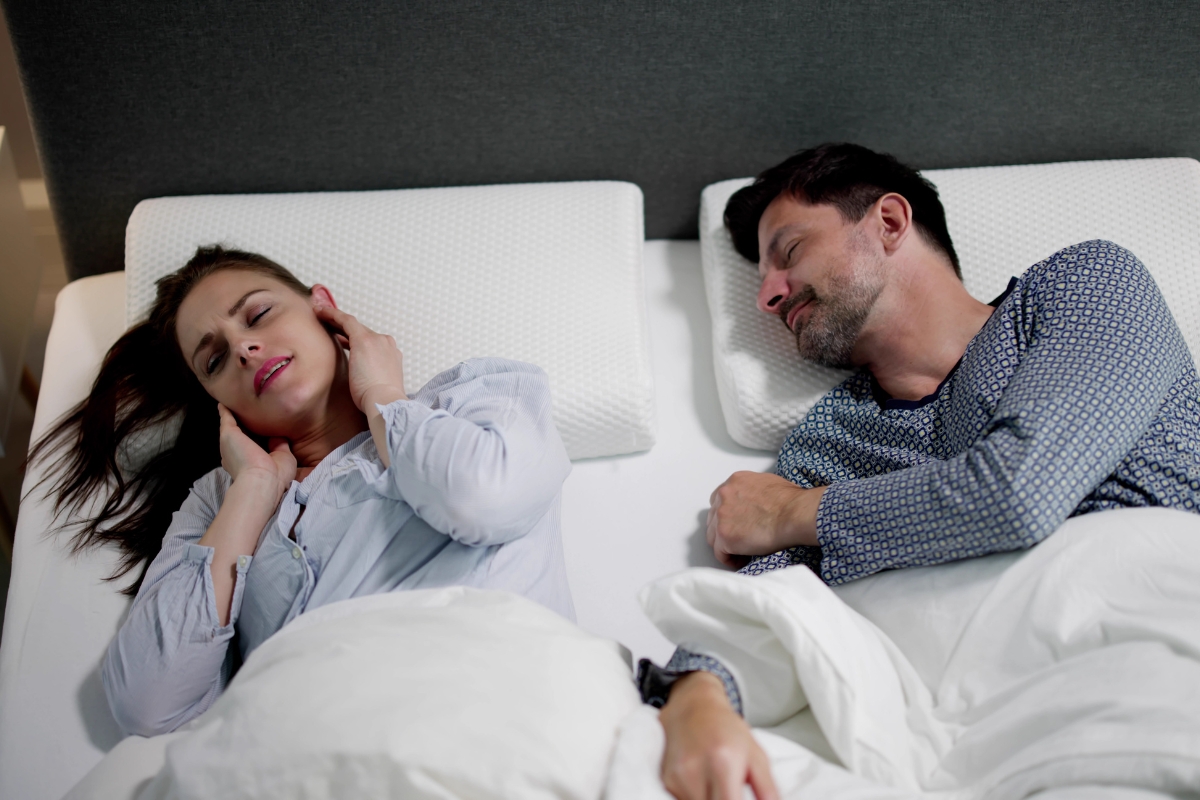
Alcohol is also strongly linked to snoring. When the muscles in the throat become too relaxed, the airway can vibrate, producing the sound of snoring. For people with sleep apnea, this can be especially problematic, as the vibrations and airway obstruction contribute to more intense and frequent snoring. Over time, the combination of alcohol and sleep apnea can severely disrupt sleep, leaving individuals feeling tired and unrested the next day.
In summary, alcohol relaxes the throat muscles, increasing the risk of airway collapse, snoring, and worsening sleep apnea. Limiting alcohol consumption is essential for managing these symptoms effectively.
How Much Alcohol Is Too Much for Sleep Apnea Sufferers?
For those who suffer from sleep apnea, it’s important to understand the impact alcohol has on the severity of the condition. While everyone’s tolerance level varies, studies suggest that alcohol consumption close to bedtime can significantly exacerbate sleep apnea episodes. Generally, it is advised to limit alcohol intake, particularly in the hours leading up to sleep.
Drinking alcohol early in the day or several hours before bed allows your body time to metabolize it, reducing its impact on the muscles that regulate your airway. Professionals recommend consuming no more than one drink per day for women and two drinks per day for men, keeping in mind that moderation is key.
When in doubt, it’s always best to consult with your specialist for sleep apnea treatment in Florham Park. If alcohol regularly worsens your symptoms, it might be necessary to adjust your consumption or seek an alternative way to unwind before bed.
Tips for Managing Sleep Apnea with Alcohol Consumption
Managing sleep apnea while still enjoying alcohol requires a balance. Here are some practical tips:
- Avoid drinking too close to bedtime: Alcohol takes time to leave your system. Try to finish your drink at least 3-4 hours before you go to sleep to give your muscles time to return to their normal tone.
- Limit alcohol intake: Stick to the recommended daily limit for alcohol consumption and be mindful of the timing.
- Consider using CPAP therapy: Continuous Positive Airway Pressure (CPAP) machines are an effective way to treat sleep apnea, even when alcohol consumption is part of your routine. If you notice worsening symptoms, speak with your doctor about adjusting your CPAP settings or trying alternative treatments.
- Maintain a healthy lifestyle: Regular exercise, a healthy diet, and proper weight management can improve your sleep apnea symptoms and reduce the impact of alcohol.
The Importance of Consulting a Sleep Apnea Dentist
If you’re finding that alcohol is affecting your sleep apnea, it’s time to talk to a specialist. A sleep apnea dentist can provide tailored solutions to help manage the condition, such as oral appliances designed to keep your airway open during sleep.
At Dental Sleep Medicine of NJ, Dr. John A. Carollo can evaluate the impact of alcohol on your sleep apnea and recommend appropriate treatments. Whether it’s through lifestyle changes, oral devices, or ongoing sleep studies, getting personalized care can significantly improve your quality of sleep.
The relationship between alcohol and sleep apnea is clear: alcohol can relax the muscles in your throat, increasing the likelihood of airway obstruction and worsening sleep apnea symptoms. Understanding how alcohol impacts your throat muscles is crucial in managing the condition and maintaining good sleep health.
If you suffer from sleep apnea and find that alcohol worsens your symptoms, it’s important to speak with a specialist. At Dental Sleep Medicine of NJ, we’re here to help you find the best sleep apnea treatment. Book an appointment today and take the first step towards better sleep and overall health.
What People Ask?
How much alcohol can I safely consume with sleep apnea?
It’s recommended to limit alcohol to one drink for women and two for men per day, and avoid drinking close to bedtime to minimize its effects on sleep apnea.
How long should I wait after drinking alcohol before going to bed?
It’s recommended to wait at least 3-4 hours after drinking alcohol before going to bed, allowing your body to metabolize the alcohol and reduce its effects on your airway.
Can alcohol lead to more frequent apneas during the night?
Yes, alcohol can relax the muscles in your throat, leading to more frequent and longer apneas, which disrupt your sleep and oxygen levels.
Is red wine worse for sleep apnea than other types of alcohol?
There is no significant difference between red wine and other types of alcohol in terms of their effects on sleep apnea, as all alcohol relaxes the throat muscles.
Can alcohol affect my treatment progress for sleep apnea?
Yes, regular alcohol consumption can hinder your treatment progress by worsening symptoms, making it harder to manage sleep apnea with treatments like CPAP or oral appliances.